H2o purifiers are one of the practical family merchandise that enjoy an crucial function in creating everyday living wholesome. With wellbeing consciousness among the the people today growing like in no way before, lots of companies are coming with inexpensive and serviceable systems of drinking water purifiers.
H2o purifiers are beneficial in these days in which pollution is at its peak. It is helpful to know the systems driving these drinking water purifiers to make an knowledgeable acquire.
1. Activated carbon filtration: Also termed as carbon adsorption system, activated carbon filtration, is one of the common strategies utilised in family drinking water purifiers. In this process, activated carbon is utilised to filter the drinking water. Activated carbon, a remarkably absorbent product properly appeals to and traps lots of of the prevalent impurities in drinking water. Several toxic natural and organic compounds like pesticides, chlorinated solvents and microorganisms are adsorbed by these filters.
•Advantages
a.Activated carbon filters clear away uncomfortable style and odor of drinking water, including chlorine.
b.Far more activated carbon in the filter enhances the good quality of drinking water and the life span of the cartridge.
c.Electrical power is not demanded
•Drawbacks
a)H2o at higher temperatures impacts the performance of carbon filters.
b)Confined life span – at the time the surface area of the cartridge will become saturated with adsorbed substances, it can’t adsorb a lot more and that’s why needs to be replaced.
c)Carbon adsorption can’t clear away weighty metals and dissolved solids in drinking water.
d)Can generate carbon fines into the drinking water.
e)Effective when put together with other purification techniques.
2.Extremely-Filtration (UF): Extremely-Filtration is a form of membrane filtration, in which the drinking water is forced towards the membrane with various little pores. The pore measurement of ultra-filtration membranes array from .01 – .1 micrometers (1 micrometer is one millionth of a meter). This process of filtration gets rid of dust, suspended solids, microorganisms, viruses, germs and their eggs, endotoxins and other pathogens, as a result produces very pure drinking water with low slit density.
•Advantages
a.The measurement of the smallest virus and germ is a lot more than .02 micron and that’s why UF process is powerful in reducing most particles, pathogens, microorganisms, and colloids higher than their rated measurement.
b.Hugely filtered drinking water with significantly less use of electrical power.
•Disadvantages
a)Extremely- Filtration can’t clear away any dissolved inorganic substances from drinking water.
b)To retain a significant pressure drinking water movement, common cleaning is demanded.
c)Effective when preceded by carbon adsorption or when put together with other purification techniques.
3. Reverse osmosis (RO): Reverse Osmosis is also a form of membrane filtration but the pore structure of RO membrane is significantly scaled-down (.0001microns) and tighter than UF membranes. This allows the membrane to clear away 90-99% of the impurities in drinking water, creating it one of the most powerful and economic options of drinking water purifying. A person a lot more special characteristic of a RO purifier is that it gets rid of all the dissolved salts, metals and substances from the drinking water.
•Advantages
a.RO gets rid of various impurities from drinking water like complete dissolved solids (TDS), turbidity, asbestos, guide and other toxic weighty metals, radium and lots of dissolved organics.
b.Converts tough drinking water to soft drinking water.
c.A blend of RO and carbon adsorption is a most powerful remedy.
d.Calls for significantly less routine maintenance.
•Disadvantages
a)Reverse osmosis gets rid of wholesome minerals like calcium and magnesium from the drinking water. Due to the fact of smaller pore measurement, drinking water movement is gradual and that’s why storage tanks are demanded.
b)Chlorine may possibly go by means of the membrane and can also damage it that’s why a blend of RO and Carbon adsorption is encouraged.
c)Highly-priced when in contrast to other drinking water purifying techniques.
d)Experienced routine maintenance is required
4. Ultraviolet (UV) filtration: The special good quality of ultra violet light that kills damaging microorganisms and microorganisms is utilised in this filtration process. This process of filtration is mostly utilised for disinfecting drinking water. UV light rays penetrate into the cells of microorganisms and viruses and destroy their ability to reproduce.
•Advantages
a.An powerful UV purifier kills 99.99% of damaging microbes.
b.This process will not launch any chemical compounds into the drinking water.
•Disadvantages
a)Decreases the resistivity of drinking water.
b)Will not clear away any dissolved salts, particles, or ions from drinking water.
c)Works by using electrical power.
d)Calls for expert routine maintenance.
These systems, when utilised in blend of two or a lot more systems, will yield much better effects than when utilised individually.
About the Web site:
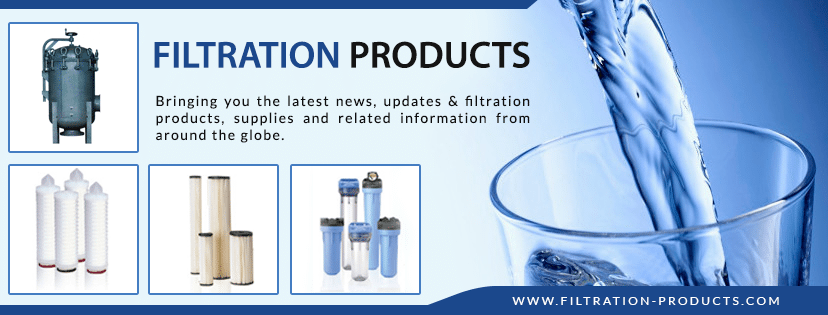
Filtration Items internet site informs you of the most recent breaking information, highlights and filtration systems direct from the remedy arena.
Filtration-Items.com keeps you posted on separation and all the main industry occasions including string wound cartridges, pleated filters, meltblown filters, bag filters, reverse osmosis filtration, from brands these types of as United developed for air filtration, and nearly anything else the purification arena has to disclose.